The evolution of gambling tracing its historical roots and cultural significance
Historical Origins of Gambling
The origins of gambling can be traced back thousands of years, emerging in ancient civilizations such as Mesopotamia and China. Archaeological evidence indicates that as early as 3000 BC, people engaged in games of chance using rudimentary dice made from animal bones. In ancient China, gambling practices were documented in texts from the Han Dynasty, where keno-like games were popular among the populace. These early forms of gambling laid the foundation for the diverse array of betting games that would evolve over the centuries, including experiences you might find at an interac casino.
As societies developed, so too did their gambling practices. The Greeks and Romans adopted gambling as a form of entertainment, integrating it into social gatherings and athletic competitions. The Romans, in particular, organized lavish gambling games during festivals, using dice and betting on various events. This cultural significance of gambling in ancient societies reflects its role not merely as a pastime but as a means of social bonding and community engagement.
The spread of gambling practices continued through trade routes and conquests, influencing cultures across Europe and Asia. The introduction of cards in the 14th century, believed to have originated in China before reaching Europe, marked a significant evolution in the gambling landscape. By the Renaissance, games such as poker and blackjack began to take shape, emphasizing strategic thinking alongside chance. This transition heralded a new era of gambling that would forever alter its cultural impact.
Gambling in the Modern Era
The 18th and 19th centuries saw a significant transformation in gambling, particularly with the establishment of formalized betting establishments like casinos. The first modern casino, Casino di Venezia, opened in Italy in 1638, setting a precedent for the glamorous venues that would follow. As gambling became more mainstream, cities like Monte Carlo became synonymous with luxury and high-stakes betting, attracting the elite and the adventurous alike.
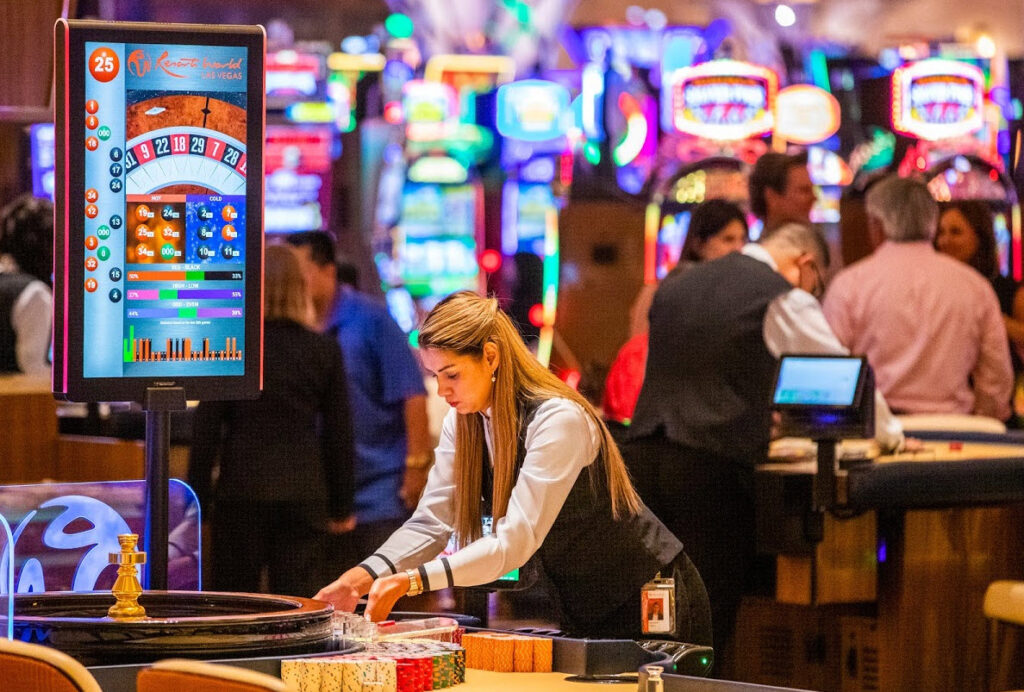
The rise of organized gambling was paralleled by the emergence of regulations and legislation aimed at controlling the industry. Governments began to recognize the potential economic benefits of gambling, leading to the legalization of various forms of betting. The late 20th century witnessed a gambling boom, with the establishment of Las Vegas as a global gaming capital. Here, the convergence of entertainment and gambling created a unique cultural phenomenon, blending music, shows, and dining with the thrill of the gaming floor.
Technological advancements further revolutionized the gambling experience, particularly with the advent of online casinos in the late 1990s. The ability to place bets from the comfort of home opened new avenues for players worldwide. This shift not only expanded the gambling audience but also necessitated new regulations to ensure fair play and consumer protection. Online gaming platforms now offer a vast array of options, from traditional table games to innovative slot machines, attracting a diverse demographic of players.
Cultural Significance of Gambling
The cultural significance of gambling extends beyond mere entertainment; it reflects societal values, economic conditions, and even psychological factors. In many cultures, gambling serves as a rite of passage or a communal activity that strengthens social bonds. Festivals and celebrations often feature gambling games, showcasing the integral role of chance in human interactions. This communal aspect of gambling fosters a sense of belonging and shared experiences among participants.
Moreover, gambling has been a source of inspiration for art, literature, and cinema. Countless novels, films, and songs explore the themes of chance, risk, and the allure of gambling. The archetype of the gambler as a daring risk-taker permeates popular culture, often portraying the struggle between luck and skill. This cultural portrayal shapes societal perceptions of gambling, sometimes glamorizing it while also highlighting the potential pitfalls of excessive gambling.
Despite its allure, gambling also carries significant social implications. Issues such as addiction and financial ruin can stem from irresponsible gambling behaviors. As awareness of these issues has grown, initiatives aimed at promoting responsible gambling and support services for those affected have become increasingly important. This duality of gambling—its capacity to entertain and its potential for harm—continues to shape its cultural narrative.
The Future of Gambling
The future of gambling appears poised for further innovation, particularly with advancements in technology. The rise of virtual reality and augmented reality promises to create immersive gambling experiences that replicate the atmosphere of physical casinos. This new frontier could attract a younger generation of players, blending gaming and gambling in ways previously unimaginable. As the landscape evolves, the regulatory framework will need to adapt to ensure player safety and fair practices.
Furthermore, the increasing acceptance of gambling in various forms is likely to influence legislative changes globally. Many regions are reconsidering their stances on online and mobile gambling, recognizing the potential economic benefits. This shift could lead to a more regulated environment, balancing the need for revenue generation with consumer protection. The conversation surrounding gambling is also evolving, focusing on mental health and the importance of responsible gaming.
As gambling continues to evolve, its cultural significance will likely expand. The intersection of technology, societal values, and economic factors will shape the future of gambling, presenting both opportunities and challenges. Understanding this evolution is crucial for stakeholders in the industry, from policymakers to players, as they navigate the complexities of this dynamic landscape.

Understanding Online Gambling and Interac Casinos
As the online gambling industry grows, platforms that facilitate secure and efficient transactions, like Interac Casinos, have become essential for players. These platforms provide a streamlined experience for Canadian players, allowing for quick deposits and withdrawals. The emphasis on safety and convenience is paramount, especially for online gambling, where player trust is crucial. Interac Casinos ensure that users can focus on enjoying their gaming experience without the worry of financial mishaps.
Moreover, the importance of user-friendly interfaces and comprehensive support cannot be overstated. Interac Casinos offer detailed guides and reviews that help players navigate their options effectively. With exclusive bonuses and tailored promotions, these platforms enhance the gaming experience, making it not only enjoyable but also rewarding. By prioritizing user satisfaction, they contribute significantly to the broader landscape of online gambling.
In summary, the evolution of gambling, particularly in the context of online gaming, highlights a significant shift in how people engage with chance-based activities. The rise of Interac Casinos exemplifies the ongoing changes, reflecting a commitment to innovation and user-centric services. As the industry progresses, understanding these dynamics will be key for both players and operators in ensuring a responsible and enjoyable gambling environment.
Leave a Reply